
Staff Augmentation vs Hiring In-House Developers: Which Makes More Sense in 2026?
As technology continues to drive business growth, companies face an important decision when expanding their development teams: should they hire in-house developers or use staff augmentation services?
3 min readStrategy
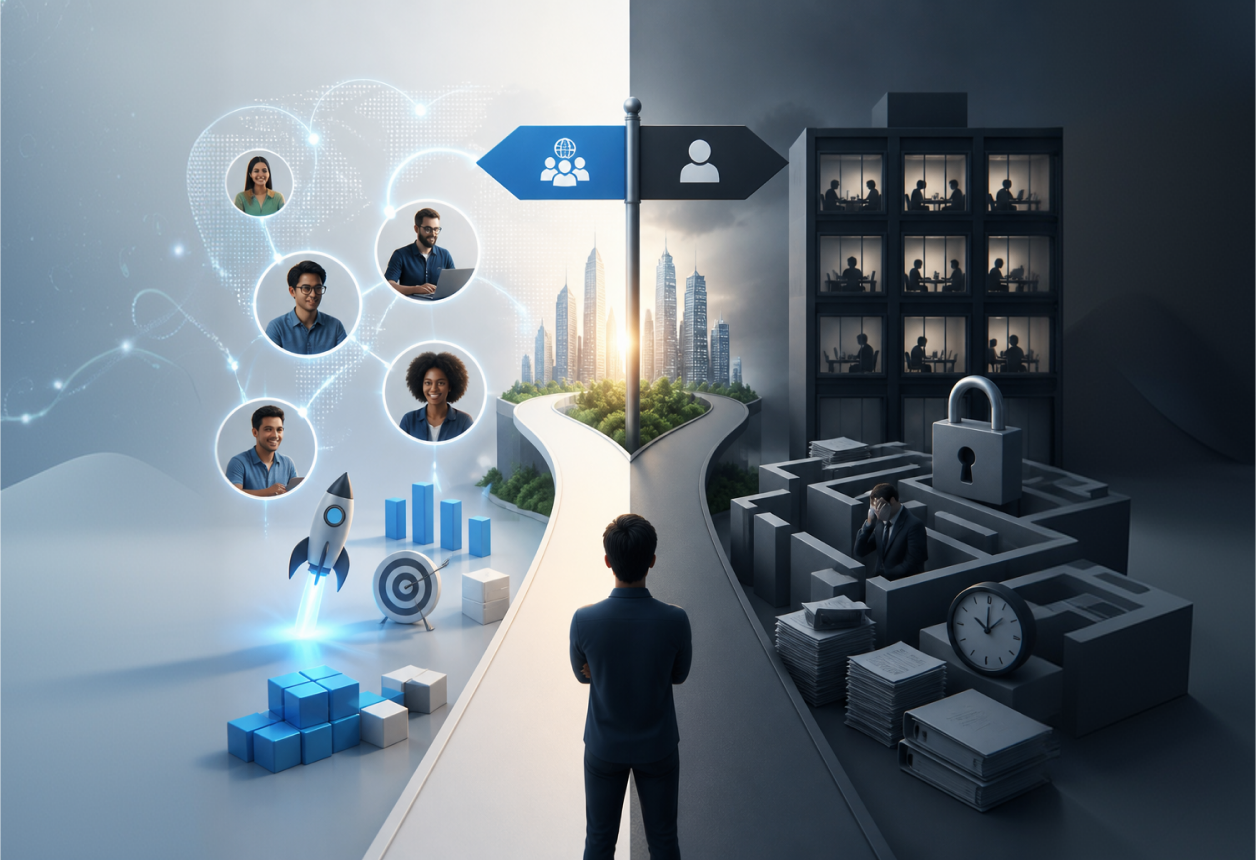
Both approaches have advantages, but the right choice depends on your business goals, budget, project requirements, and hiring timeline.
Understanding the differences can help businesses make smarter decisions and scale more efficiently.
What Is Staff Augmentation?
Staff augmentation is a hiring model where businesses add external developers to their existing team on a temporary or long-term basis.
Instead of going through lengthy recruitment processes, companies can quickly access skilled professionals with the expertise needed for specific projects.
This model has become increasingly popular among startups, growing businesses, and enterprises looking to accelerate software development without increasing permanent headcount.
The Challenges of Hiring In-House Developers
Building an internal development team offers long-term control, but it also comes with significant challenges.
Hiring in-house developers often involves:
· Lengthy recruitment cycles
· High salary and benefit costs
· Onboarding and training expenses
· Limited access to specialized skills
· Increased operational overhead
For many businesses, finding qualified developers can take months, delaying important software development projects and product launches.
Why Businesses Are Choosing Staff Augmentation
Staff augmentation provides flexibility that traditional hiring cannot always offer.
Some key benefits include:
Faster Hiring
Instead of spending months recruiting, businesses can quickly access experienced developers and begin work immediately.
Access to Specialized Talent
Need expertise in React, Node.js, Flutter, AI, or cloud technologies? Staff augmentation allows businesses to bring in specialists as needed.
Lower Costs
Compared to maintaining a full-time development team, staff augmentation can reduce recruitment, training, and infrastructure expenses.
Scalability
Development teams can be expanded or reduced based on project requirements, providing greater flexibility as business needs change.
When In-House Hiring Makes Sense
Hiring permanent developers may be the right choice when:
· Software development is a core business function
· Long-term product ownership is required
· Continuous development work is expected
· The company has resources for recruitment and retention
An in-house team can provide deep knowledge of company processes and long-term strategic goals.
When Staff Augmentation Is the Better Choice
Staff augmentation is often ideal when:
· Projects need to start quickly
· Specialized skills are required
· Internal teams need additional support
· Hiring budgets are limited
· Development needs may change over time
Many businesses use staff augmentation to fill skill gaps, accelerate delivery timelines, and reduce hiring risks.
Making the Right Decision
There is no one-size-fits-all solution.
For some organizations, building an in-house team makes strategic sense. For others, staff augmentation offers the speed, flexibility, and expertise needed to stay competitive.
In many cases, the most effective approach is a combination of both - maintaining a core internal team while leveraging staff augmentation services for additional capacity and specialized skills.
As businesses continue investing in digital transformation and custom software development, access to the right talent has become more important than ever.
While hiring in-house developers provides long-term stability, staff augmentation offers flexibility, faster onboarding, and access to specialized expertise.
By evaluating your business goals, project timelines, and resource requirements, you can choose the model that best supports growth and ensures successful software development outcomes.
Share this opening with your friends
We're happy to share more
articles with you!
Mobile-First Design: Why Businesses Need to Prioritize Mobile User Experience
Learn why mobile-first design is essential for modern businesses and how UI/UX design improves mobile experiences, customer engagement, and digital growth.

Why Great UI/UX Design Is a Business Investment, Not a Design Expense
Discover how UI/UX design improves customer experience, increases conversions, reduces development costs, and drives long-term business growth.

Data Visualization: Turning Complex Data Into Clear Business Insights
Learn how data visualization helps businesses transform complex data into clear insights, improve decision-making, and unlock the value of analytics solutions.
Let's Build Something Amazing Together
Schedule a free consultation to discuss your project requirements.