
How Businesses Are Using Data to Make Smarter Decisions in 2026
Discover how predictive analytics helps businesses use AI, data, and machine learning to improve decision-making, forecast trends, and gain a competitive advantage.

Businesses today generate more data than ever before.
Every customer interaction, transaction, website visit, and operational activity creates valuable information. However, collecting data alone does not create a competitive advantage.
The real advantage comes from understanding that data and using it to predict what happens next.
This is where predictive analytics is transforming modern businesses.
What Is Predictive Analytics?
Predictive analytics uses historical data, artificial intelligence, machine learning, and statistical techniques to identify patterns and forecast future outcomes.
Instead of only answering:
"What happened?"
predictive analytics helps businesses answer:
"What is likely to happen next?"
For example:
Which customers are likely to leave?
Which products will have higher demand?
When will equipment require maintenance?
Which marketing campaigns will perform better?
These insights allow businesses to make proactive decisions instead of reacting to problems after they occur.
Why Predictive Analytics Is Becoming Essential
Traditional business decisions were often based on experience, assumptions, and past performance.
Today, companies are moving toward data-driven decision making.
Predictive analytics helps organizations:
Improve forecasting accuracy
Reduce operational risks
Understand customer behaviour
Optimize business processes
Identify new growth opportunities
Businesses that effectively use analytics gain the ability to make faster and more informed decisions.
How Businesses Are Using Predictive Analytics
Customer Analytics
Understanding customers is one of the biggest advantages of predictive analytics.
Businesses can analyse customer behaviour to predict:
Buying patterns
Customer preferences
Churn risks
Personalized recommendations
This allows companies to improve customer experiences and build stronger relationships.
Sales and Marketing Analytics
Predictive analytics helps businesses identify which strategies are most likely to generate results.
Organizations can use data to:
Predict sales trends
Optimize marketing campaigns
Identify high-value customers
Improve lead conversion
Instead of relying only on assumptions, teams can make decisions based on real insights.
Operational Analytics
Businesses can also use predictive analytics to improve internal operations.
Examples include:
Predicting inventory requirements
Optimizing supply chains
Reducing downtime
Improving resource planning
This helps organizations operate more efficiently while reducing unnecessary costs.
The Role of AI in Predictive Analytics
The growth of artificial intelligence has made predictive analytics more powerful and accessible.
AI-powered analytics solutions can process massive amounts of data, identify complex patterns, and generate insights faster than traditional methods.
Machine learning models continuously improve by learning from new data, allowing businesses to make increasingly accurate predictions.
This combination of AI and analytics is becoming a key part of modern digital transformation strategies.
Challenges Businesses Need to Consider
While predictive analytics offers significant benefits, successful implementation requires the right approach.
Businesses need:
Clean and reliable data
Proper analytics infrastructure
Skilled technology teams
Clear business objectives
Without accurate data and a clear strategy, analytics investments may fail to deliver meaningful results.
The Future of Business Intelligence
The future of business is moving from reactive decision-making to predictive and intelligent decision-making.
Companies are no longer asking only what happened in the past. They are using data analytics to understand future possibilities and prepare for them.
Organizations that invest in predictive analytics today will be better positioned to adapt, compete, and grow in an increasingly data-driven world.
Final Thoughts
Predictive analytics is changing how businesses operate by transforming raw data into actionable insights.
From improving customer experiences to optimizing operations, analytics solutions are helping organizations make smarter decisions with greater confidence.
For businesses looking to gain a competitive advantage, the ability to predict future trends is becoming one of the most valuable capabilities in the digital era.
We're happy to share more
articles with you!
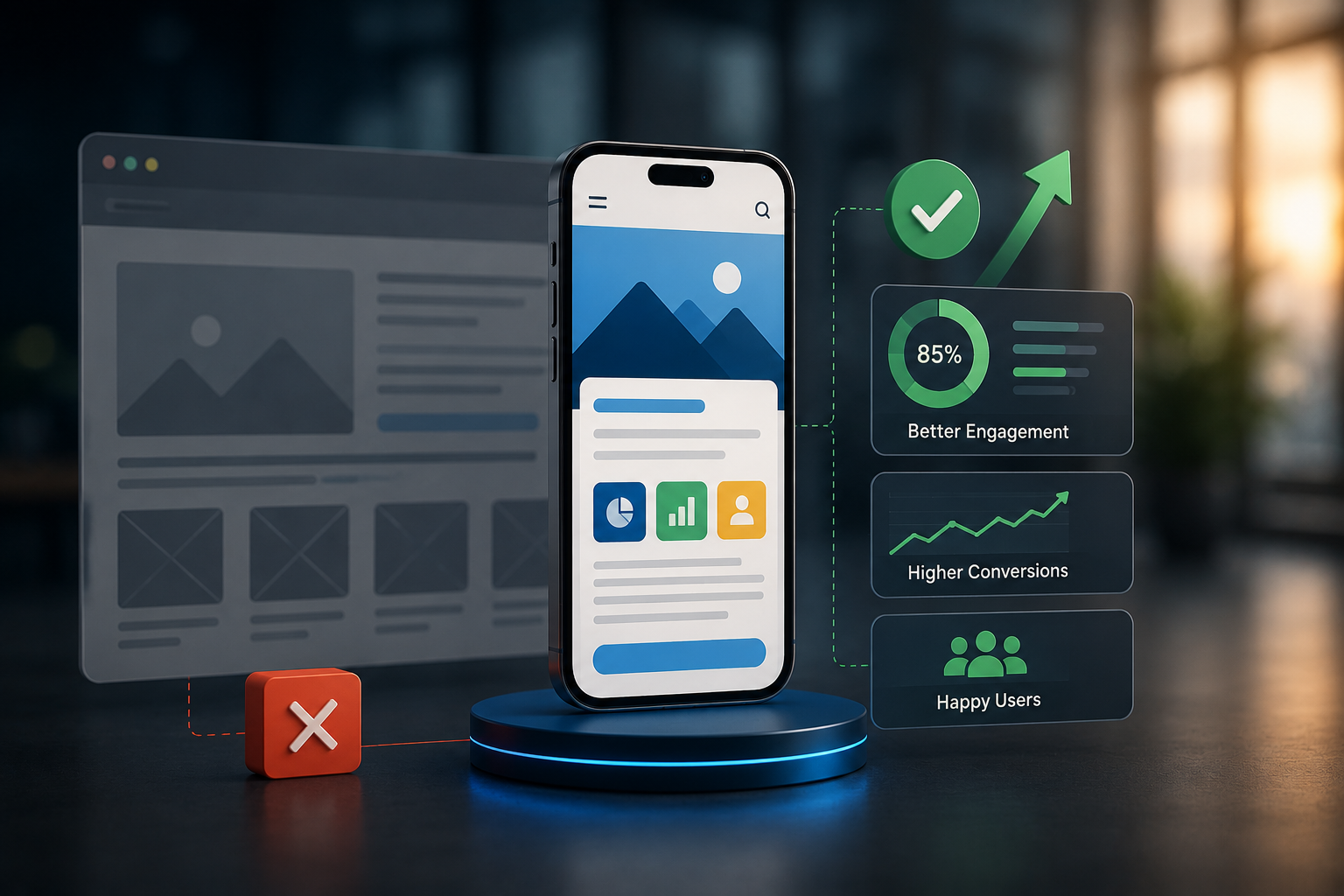
Mobile-First Design: Why Businesses Need to Prioritize Mobile User Experience
Learn why mobile-first design is essential for modern businesses and how UI/UX design improves mobile experiences, customer engagement, and digital growth.

Why Great UI/UX Design Is a Business Investment, Not a Design Expense
Discover how UI/UX design improves customer experience, increases conversions, reduces development costs, and drives long-term business growth.
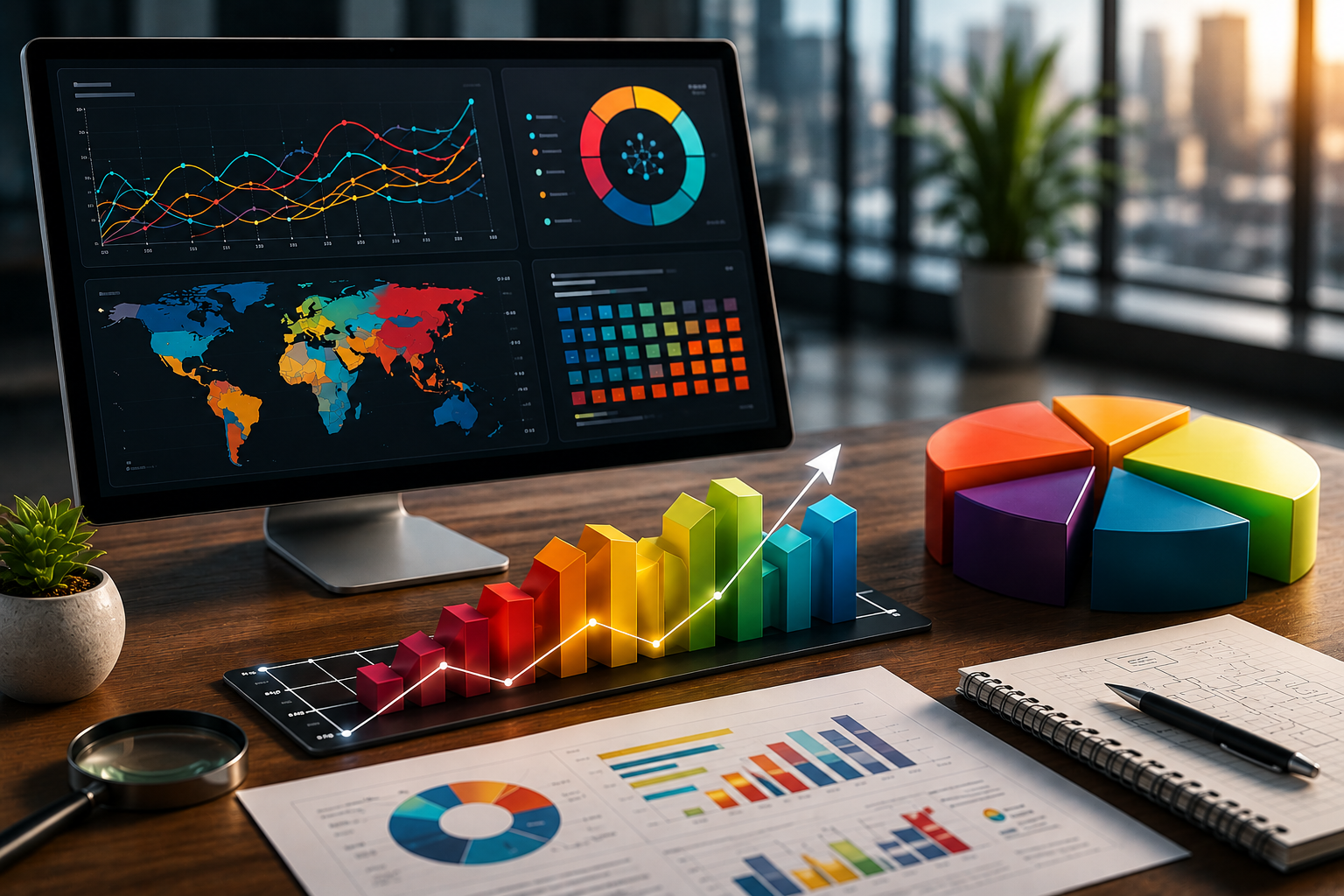
Data Visualization: Turning Complex Data Into Clear Business Insights
Learn how data visualization helps businesses transform complex data into clear insights, improve decision-making, and unlock the value of analytics solutions.
Let's Build Something Amazing Together
Schedule a free consultation to discuss your project requirements.