
MVP vs Full Product: What Should You Build First?
When launching a new software product, one of the most important decisions businesses face is whether to build a Minimum Viable Product (MVP) or invest in a full-featured solution from the start. While it may be tempting to launch with every feature imaginable, successful companies often take a more strategic approach by starting with an MVP.
3 min readDevelopment
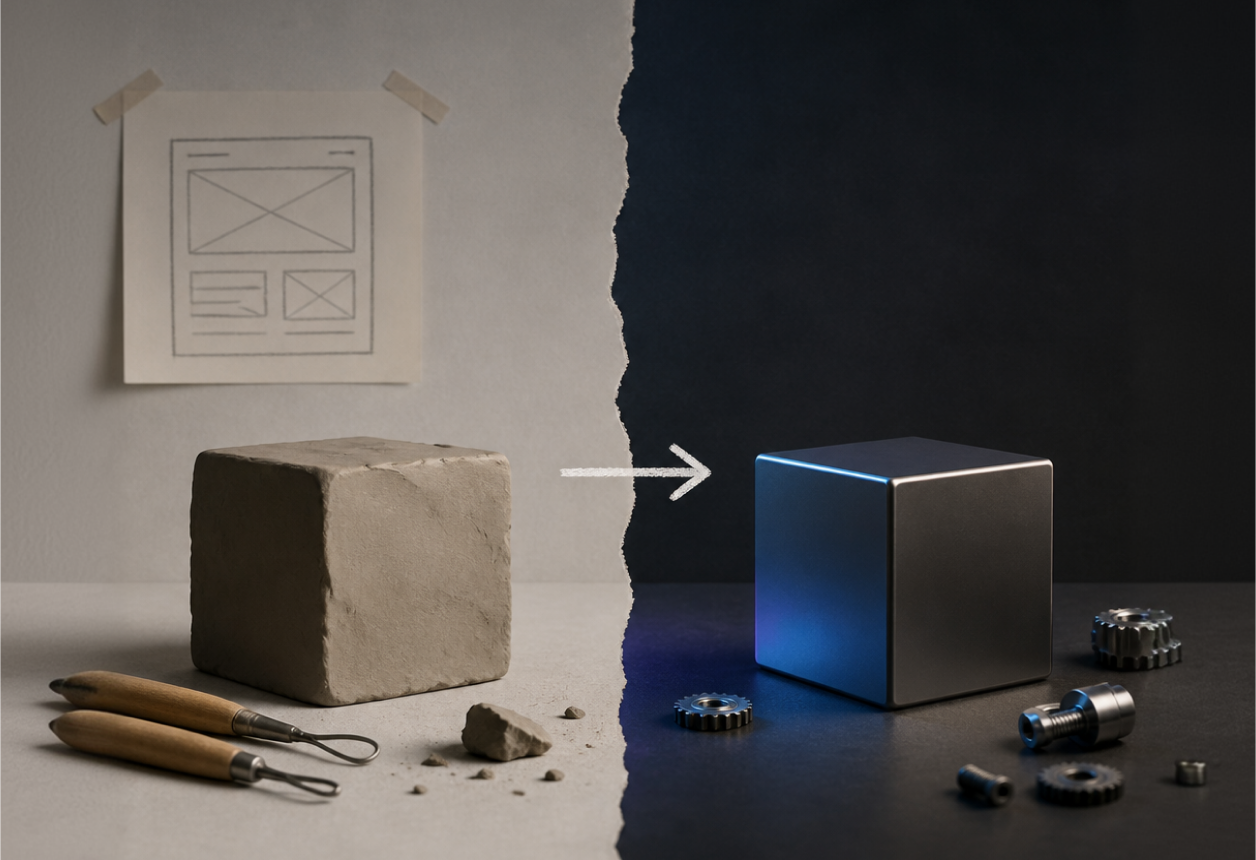
Understanding the difference can help businesses reduce risk, validate ideas, and make smarter development decisions.
What Is an MVP?
A Minimum Viable Product (MVP) is the simplest version of a software product that solves a core problem for users.
Instead of building every planned feature, an MVP focuses only on the functionality needed to deliver value and gather real-world feedback.
The goal is to test assumptions before making a larger investment in software development.
Benefits of Building an MVP
Faster Time to Market
Developing an MVP requires fewer features, allowing businesses to launch more quickly and start gathering user feedback sooner.
Lower Development Costs
Since only essential functionality is developed initially, MVP development typically requires less time and budget than building a full product.
Reduced Risk
An MVP helps validate whether customers actually want the solution before significant resources are committed.
Better Product Decisions
Real user feedback often reveals insights that were not considered during planning. This allows businesses to prioritize features based on actual demand rather than assumptions.
When a Full Product Makes Sense
While MVP development is often the preferred approach, there are situations where building a full product may be appropriate.
A full product may be suitable when:
Requirements are clearly defined
The market demand is already proven
Regulatory or compliance requirements exist
The product serves enterprise customers with complex needs
Sufficient budget and resources are available
In these cases, launching with a broader feature set may align better with business objectives.
Common Mistakes Businesses Make
Many organizations try to include too many features in their first release.
This often leads to:
Increased development costs
Longer launch timelines
Greater technical complexity
Delayed customer feedback
The most successful software products usually start by solving one problem exceptionally well before expanding functionality.
How to Decide Between an MVP and a Full Product
Consider the following questions:
Is the idea already validated?
Do you understand your users' priorities?
How quickly do you need to enter the market?
What level of investment are you comfortable making initially?
Can feedback improve future development decisions?
If uncertainty exists around customer demand or feature priorities, an MVP is often the safer and more effective choice.
The Best Approach for Most Businesses
For startups and businesses launching new digital products, MVP development provides an opportunity to learn, adapt, and improve without excessive risk.
Once the MVP demonstrates market demand and user adoption, additional features can be introduced through future development phases.
This approach allows businesses to invest based on real data rather than assumptions.
Choosing between an MVP and a full product is not simply a development decision - it's a business decision.
An MVP helps validate ideas, reduce risk, and accelerate learning, while a full product may be appropriate when requirements and market demand are already well established.
Before investing in software product development, focus on understanding your users and delivering core value first. In many cases, starting small leads to bigger long-term success.
Share this opening with your friends
We're happy to share more
articles with you!
Mobile-First Design: Why Businesses Need to Prioritize Mobile User Experience
Learn why mobile-first design is essential for modern businesses and how UI/UX design improves mobile experiences, customer engagement, and digital growth.

Why Great UI/UX Design Is a Business Investment, Not a Design Expense
Discover how UI/UX design improves customer experience, increases conversions, reduces development costs, and drives long-term business growth.

Data Visualization: Turning Complex Data Into Clear Business Insights
Learn how data visualization helps businesses transform complex data into clear insights, improve decision-making, and unlock the value of analytics solutions.
Let's Build Something Amazing Together
Schedule a free consultation to discuss your project requirements.