
How to Validate a Software Idea Before Spending Money on Development
Many great software ideas never become successful products - not because the technology fails, but because there was no real market demand. Before investing in custom software development, businesses should validate their idea to ensure they are solving a genuine problem for the right audience.
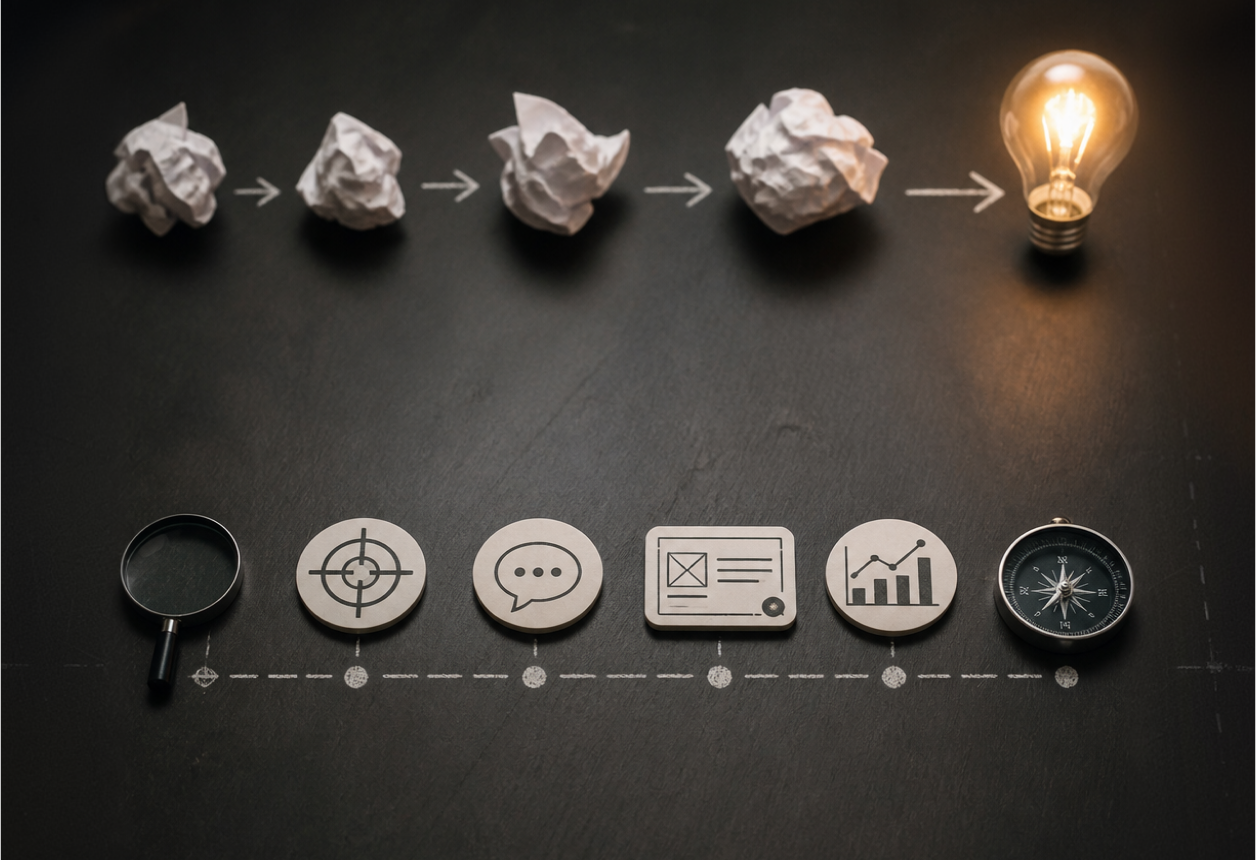
A small investment in validation can save significant time, money, and effort later.
Start With the Problem, Not the Solution
Many entrepreneurs focus on what they want to build rather than the problem they want to solve.
Ask yourself:
· What specific problem does this software solve?
· Who experiences this problem?
· How are people solving it today?
· Is the problem important enough for users to pay for a solution?
The stronger the problem, the stronger the opportunity for a successful software product.
Identify Your Target Audience
Not every product is for everyone.
Understanding your target users is essential before starting a software development project.
Define:
· Your ideal customer
· Industry or market segment
· Business size
· User challenges and goals
The more clearly you understand your audience, the easier it becomes to build a solution that meets their needs.
Research Existing Solutions
Before investing in software development services, evaluate competitors already operating in the market.
Look at:
· Features they offer
· Customer reviews
· Pricing models
· Common complaints from users
This research helps identify market gaps and opportunities to differentiate your product.
Talk to Potential Users
One of the most effective validation methods is speaking directly with potential customers.
Ask questions about:
· Their current challenges
· Existing tools they use
· Frustrations with current solutions
· Features they would value most
Real conversations often reveal insights that market research alone cannot provide.
Build a Minimum Viable Product (MVP)
Many businesses make the mistake of building every feature at once.
Instead, focus on creating a Minimum Viable Product (MVP) - a simplified version of your software containing only the core functionality needed to solve the primary problem.
An MVP allows businesses to:
· Test market demand
· Gather user feedback
· Reduce development costs
· Improve future product decisions
This approach is widely used in modern custom software development because it reduces risk and accelerates learning.
Measure Interest Before Full Development
Before committing to a large software development budget, look for evidence that people actually want your solution.
You can validate demand through:
· Landing pages
· Email signups
· Surveys
· Pilot programs
· Product demos
Positive engagement provides valuable signals that the market is interested in your idea.
Know When to Move Forward
Validation doesn't guarantee success, but it significantly improves your chances.
If you can clearly identify a problem, understand your audience, gather positive user feedback, and demonstrate market interest, you're in a much stronger position to begin development.
At this stage, working with an experienced software development company can help transform your validated idea into a scalable product.
Building software is a major investment, and the most successful products begin with validation rather than assumptions.
By understanding the problem, researching the market, speaking with users, and testing demand through an MVP, businesses can reduce risk and make more informed development decisions.
Before spending money on development, make sure you're building something people genuinely need. A validated idea provides a stronger foundation for successful software development and long-term growth.
We're happy to share more
articles with you!
Mobile-First Design: Why Businesses Need to Prioritize Mobile User Experience
Learn why mobile-first design is essential for modern businesses and how UI/UX design improves mobile experiences, customer engagement, and digital growth.

Why Great UI/UX Design Is a Business Investment, Not a Design Expense
Discover how UI/UX design improves customer experience, increases conversions, reduces development costs, and drives long-term business growth.

Data Visualization: Turning Complex Data Into Clear Business Insights
Learn how data visualization helps businesses transform complex data into clear insights, improve decision-making, and unlock the value of analytics solutions.
Let's Build Something Amazing Together
Schedule a free consultation to discuss your project requirements.